-
Black Tea
-
Green Tea
-
White Tea
- Oolong
- Pu-Erh
- Rooibos/Mate´
-
Infusers, storage, brewing accessories
- Bubble Tea & Drink Menu
- Herbal
- Fruit Blends
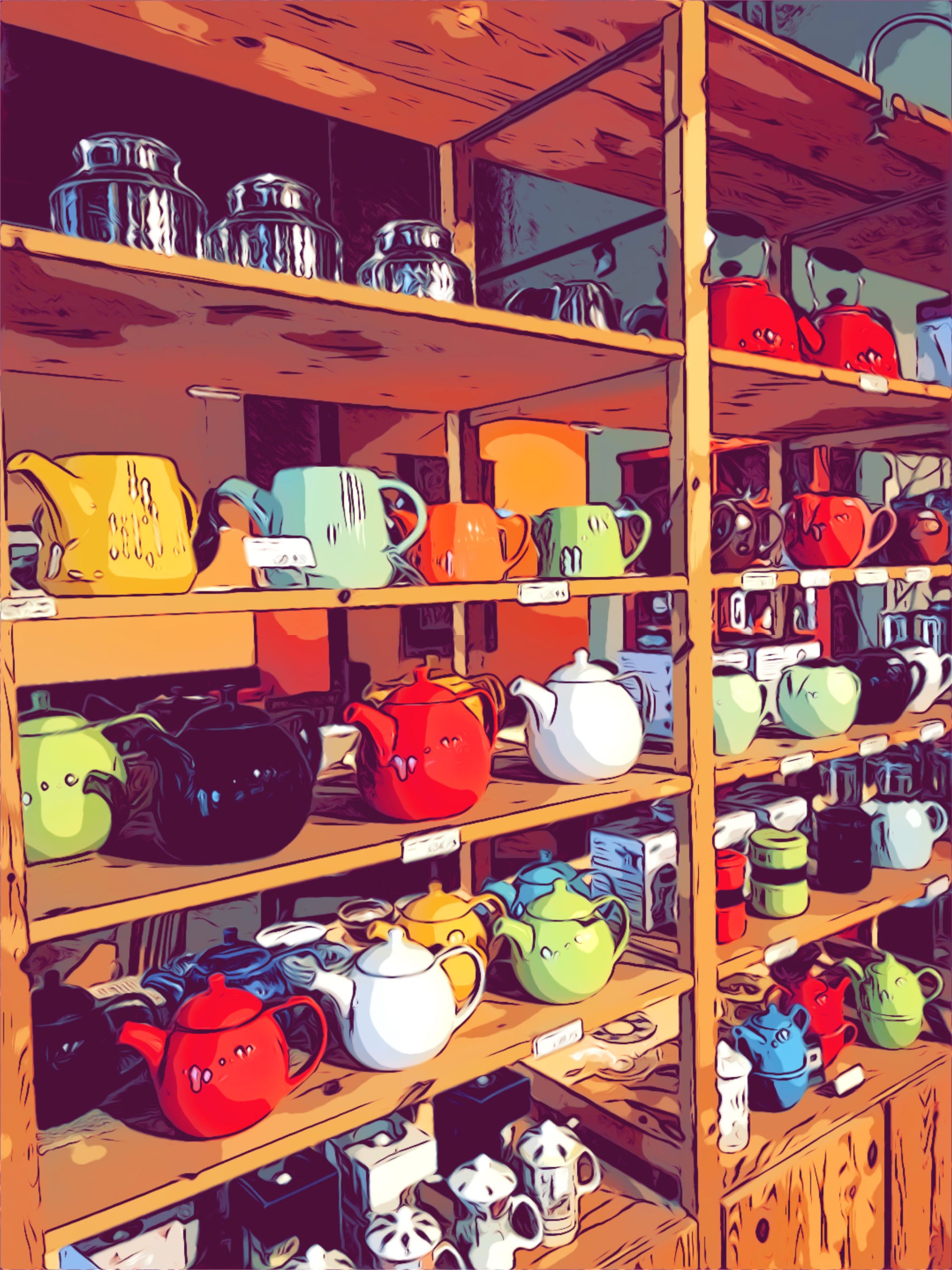
If you are in the Twin Cities, please visit our tea house located in Burnsville, Minnesota, where you can buy or drink our teas and tea lattes, shop numerous teapots and accessories, and enjoy pastries, and bubble teas.
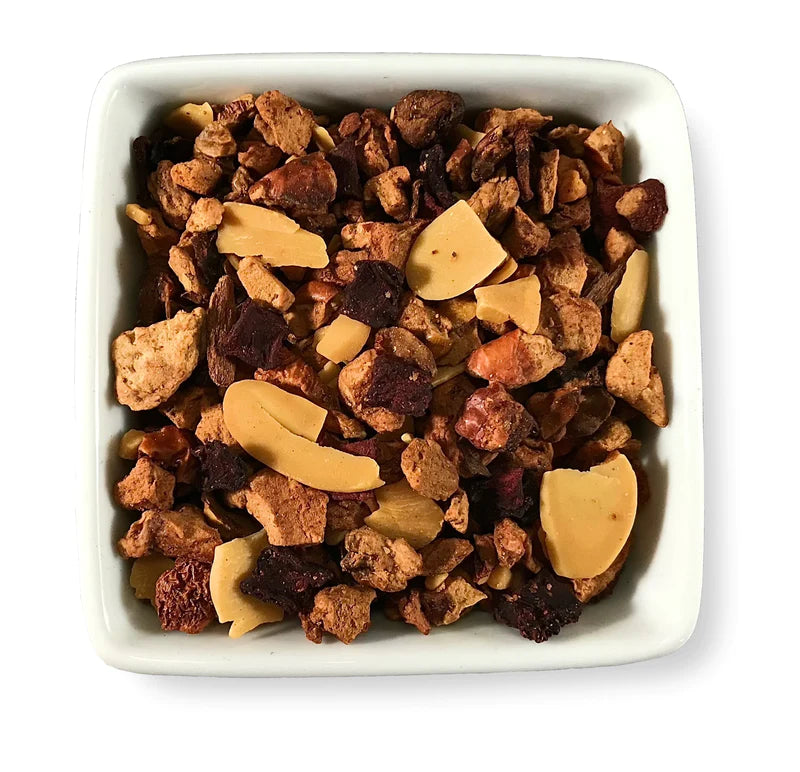
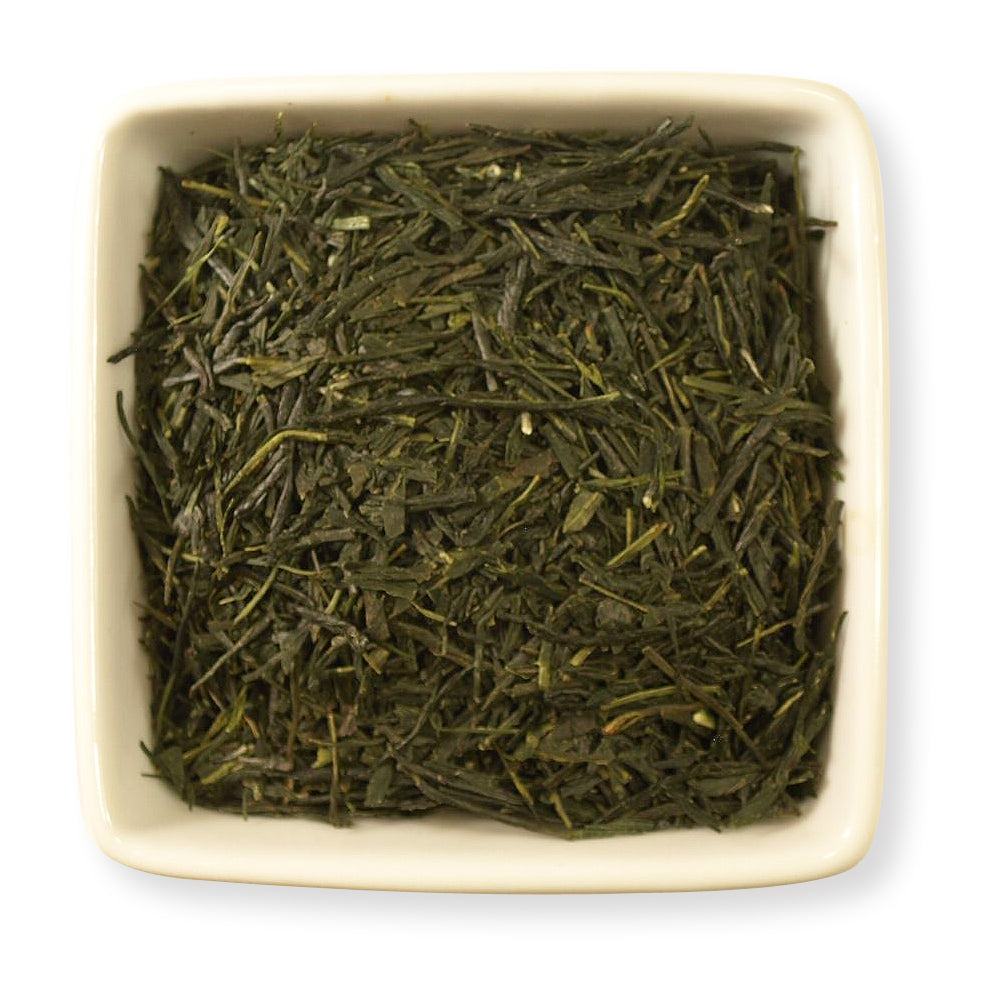
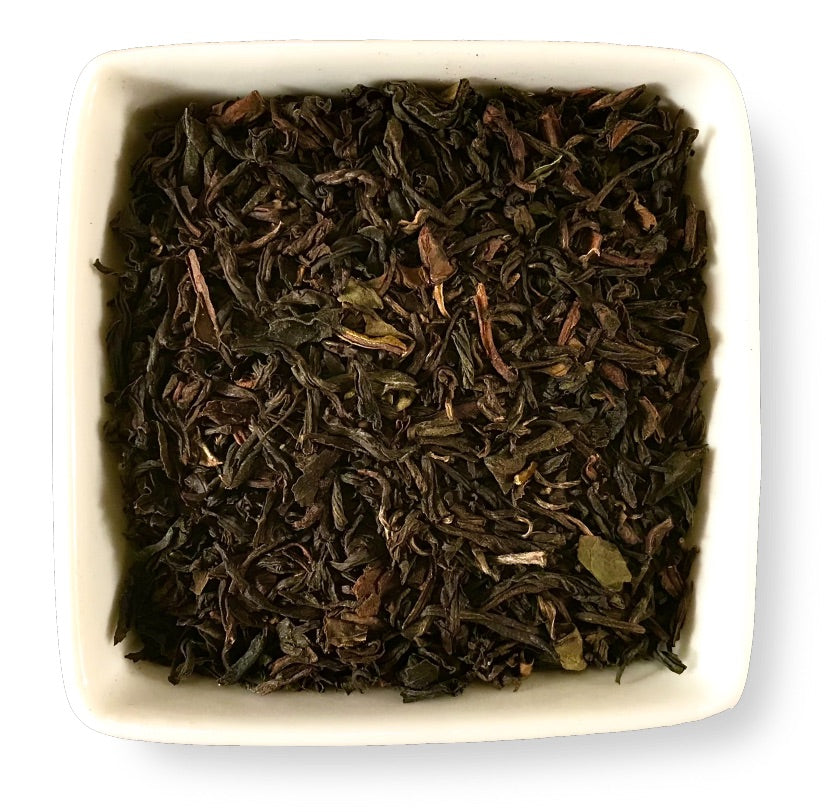
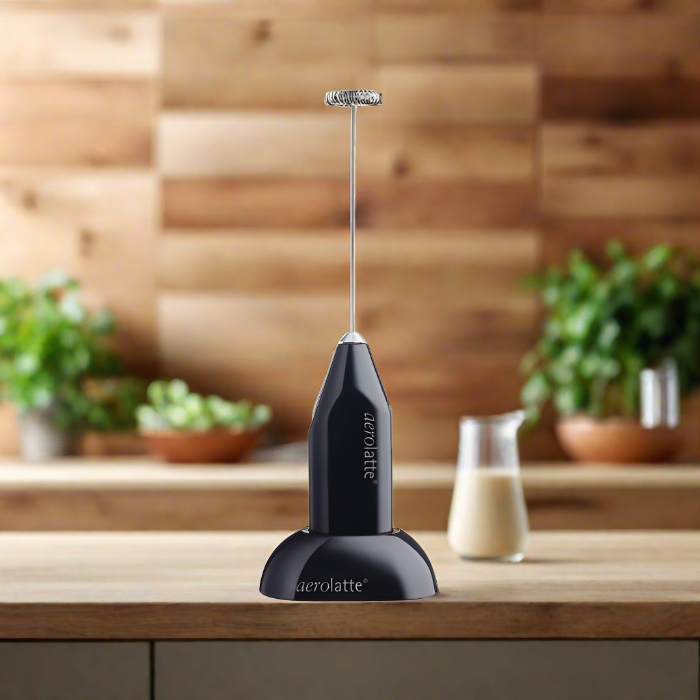
Since 2005 we have been selling tea online and in our Twin Cities tea shop, providing a wide selection of black teas, green teas, oolong teas, flavored teas, and herbals. We offer a variety of elegant yet practical tea pots as well as useful accessories to help you brew a proper cup of tea.
Hours: Mon-Sat 9-6, Sun 9-5, Closed Thursdays
Not sure what to get for someone special? Purchase an Indigo Tea Co. gift card and give them the freedom to shop in-store or online.
Click here to purchase1501 Riverwood Drive
Burnsville, MN 55337
Mon - Sat, 9am - 6pm
Sunday, 9am - 5pm
Closed Thursdays